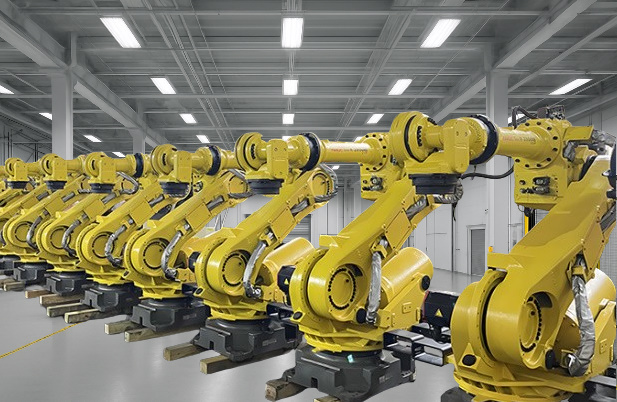
FANUC stands as a cornerstone of industrial automation, with a legacy spanning decades of innovation. Emerging in the 1950s as a Fujitsu subdivision, the company has grown into a global leader, delivering highly versatile and dependable robots that power modern factories worldwide. FANUC’s solutions have transformed manufacturing by enabling precise, repeatable tasks that enhance efficiency and quality across industries.
Types of FANUC Robots
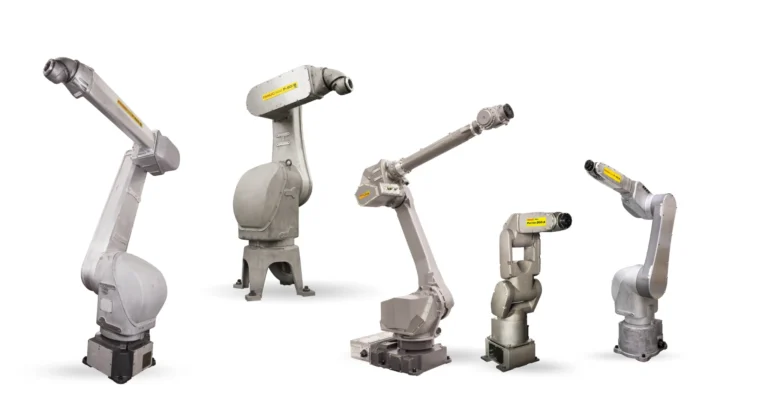
FANUC offers a comprehensive range of robot types tailored to diverse applications:
- Articulated Robots: Feature human-like arms with multiple rotational joints; excel in complex tasks like assembly, welding, and material handling.
- SCARA Robots: Deliver exceptional speed and precision for pick-and-place and assembly operations; widely used in electronics manufacturing.
- Delta Robots: Employ parallel-arm designs for ultra-high-speed performance; ideal for packaging in food and consumer goods sectors.
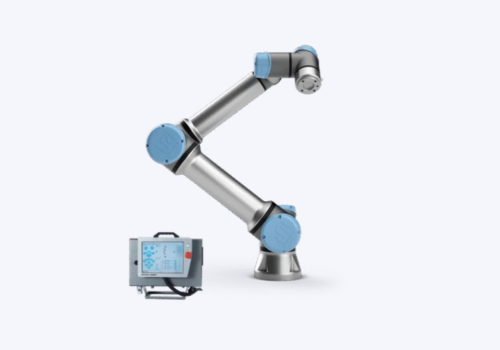
- Collaborative Robots (Cobots): The CRX series enables safe human-robot interaction in shared workspaces.
Fundamental Concepts in Robotics
Mastering basic principles is essential for effective FANUC deployment. Key concepts include:
- Axes: Degrees of freedom determining movement flexibility.
- Payload Capacity: Maximum weight the robot can handle.
- Reach: Extent of the workable space.
- Repeatability: Precision in returning to identical positions.
These fundamentals facilitate clear engineering communication and performance optimization.
Setting Up Your FANUC Robot
Proper setup ensures reliable operation. Installation requires adequate floor space with a secure working envelope, electrical supply matching FANUC specifications, and robust mounting structures.
Initial configuration follows these steps:
- Securely mount the robot.
- Install and configure controller software.
- Perform arm calibration and mastering.
- Verify connections to external devices like PLCs.
Safety is critical:
- Deploy emergency stops.
- Use physical barriers (fences, light curtains) or virtual scanners.
- Conduct regular inspections and risk assessments.
Core Programming Techniques
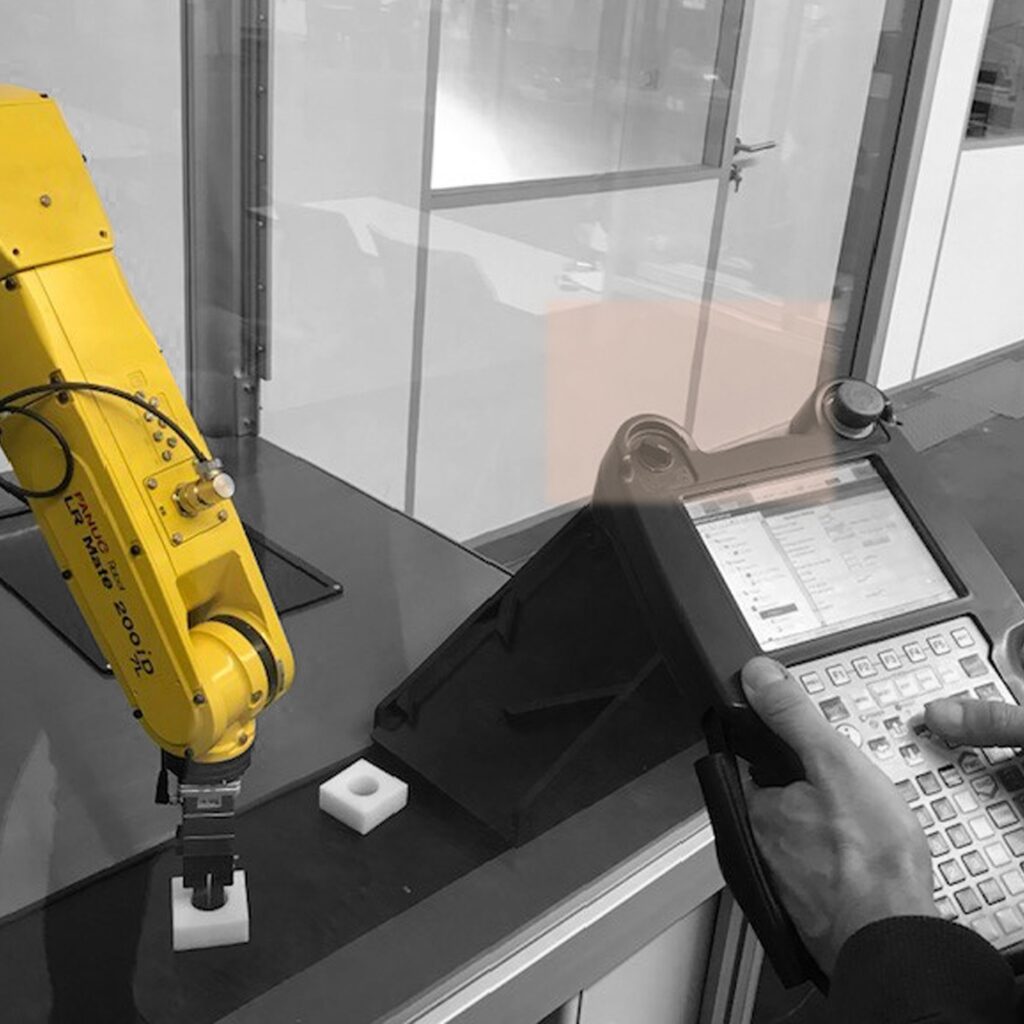
FANUC robots primarily use Teach Pendant (TP) programming—an intuitive language for motion and logic control—supplemented by Karel for advanced scripting.
Essential commands include:
- MOVE: Directs the robot to specified positions.
- WAIT: Pauses execution based on time or conditions.
- GRASP/RELEASE: Controls end-effectors for part handling.
Beginners gain confidence by creating simple pick-and-place programs that teach coordinates, motions, and basic logic.
Advanced techniques incorporate loops, conditional statements, registers, and error handling for resilient, adaptive programs. FANUC systems integrate seamlessly with CNC machines, vision sensors, conveyors, and SCADA/MES platforms to build complete automation cells.
Troubleshooting and Optimization
Maintain peak performance through:
- Regular software updates and backups.
- Routine hardware checks on motors, cables, and gearboxes.
- Systematic debugging of alarms and unexpected motions.
These practices maximize uptime and extend system lifespan.
Real-World Applications and Innovation
FANUC robots drive productivity across industries:
- Automotive: Welding, painting, assembly, and handling with superior repeatability.
- Electronics: Precise micro-assembly of delicate components.
- Healthcare/Pharmaceuticals: Lab automation and intricate tasks.
- Food & Beverage: High-speed packaging.
Recent innovations integrate AI, advanced vision, and force sensing, enabling robots to adapt to variations and process real-time data intelligently.
FANUC Robotics vs. Key Competitors
The industrial robotics market is led by the “Big Four”: FANUC, ABB, Yaskawa (Motoman), and KUKA.
- ABB: Excels in user-friendly software and flexible multi-purpose systems; particularly strong in Europe.
- Yaskawa Motoman: Known for high-speed performance and arc welding expertise.
- KUKA: Offers innovative heavy-payload designs and advanced simulation tools; dominant in automotive applications.
FANUC differentiates itself through unmatched durability, the largest global installed base, precise control systems, and a comprehensive service network—making it the preferred choice for long-term, high-volume reliability. Explore FANUC models.
Future Trends in Robotics
The industry is advancing toward greater adaptability with AI-driven learning, widespread cobot adoption, and enhanced sensory capabilities for interactive automation.
Learning and Resources
Build expertise through:
- FANUC-certified training centers and hands-on workshops.
- Online communities like Robot-Forum and YouTube tutorials.
- Platforms such as Coursera for structured courses.
For deeper theory, “Robotics: Modelling, Planning and Control” by Bruno Siciliano et al. remains essential.
Summary
This guide covers FANUC’s history, robot types, setup, programming, applications, competitors, and future trends. Mastery of these areas unlocks significant operational and career advantages in automation.
Frequently Asked Questions
What is the best way to start learning FANUC robotics programming?
Begin with fundamentals, then pursue certified courses at FANUC centers or reputable online platforms.
How does FANUC integrate with artificial intelligence?
AI enhancements enable environmental learning, real-time decisions, and improved process flexibility.
What job prospects exist for FANUC-skilled professionals?
High demand in the automotive, electronics, logistics, and healthcare sectors.
Can FANUC robots be programmed remotely?
Yes, using secure networking tools for monitoring and programming.
What safety measures are essential?
Emergency stops, safety zones, fencing, and regular risk assessments.