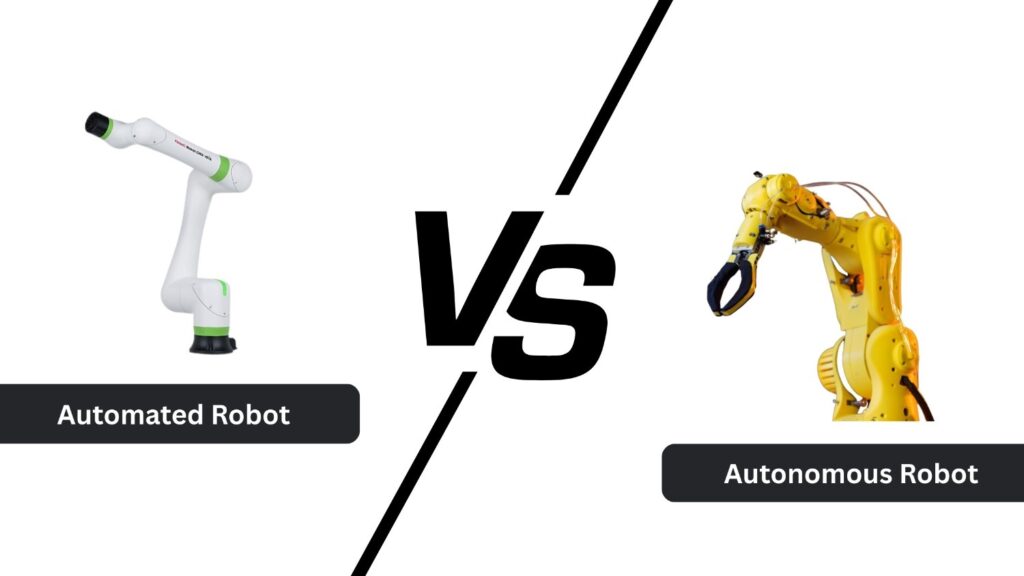
As the world moves at an accelerated pace in the development of robotics, one should be aware of the distinction between automated robots and autonomous robots. In this paper, I shall dwell on the definitions, functionalities, and the critical difference between these two types of robots. The usages, human factors, flexibility, functionality, technology, and safety will be illuminated to the readers. And with this, you will know more by the close of what these robots are and what they do in the various industries.
What are Automated Robots?
The robots are automated machines that are developed to perform a given task with minimal human intervention. They are programmed and are normally used in manufacturing, assembly lines, and repetitive tasks. The need to achieve efficiency and accuracy in the production processes of the industry has seen industry sources project that the automated robot market in the world will be worth 70 billion dollars by the year 2026. These robots can perform other assignments, such as welding, painting, and packaging, at levels and speeds much better than humans. One such example is the automated robotic arms that can work twenty-four hours with no stress, and it is more productive and less expensive in terms of operation. They are, however, unable to adapt to other activities or settings without reformatting, thereby limiting the diversity in them compared to their independent counterparts.
What are Autonomous Robots?
Instead, self-driven robots possess advanced sensors and artificial intelligence (AI) and therefore make their own decisions and discover their respective environments. These kinds of robots can learn within the space they are placed and adapt to new conditions, and therefore are suitable for more challenging tasks such as exploration, delivery, and even healthcare. The autonomous robotics market is estimated to be a huge market, and it is estimated that it could rise to a hundred billion dollars in the year 2030. The examples of autonomous robots include self-driving cars, drones, and robotic vacuum cleaners, and such technologies as computer vision and machine learning are the prerequisites to their successful operation. Autonomous robots can also work in any environment without human intervention, as compared to automated robots, and therefore prove to be invaluable in case such a situation arises that may involve flexibility and adaptability.
Automated Robots vs Autonomous Robots
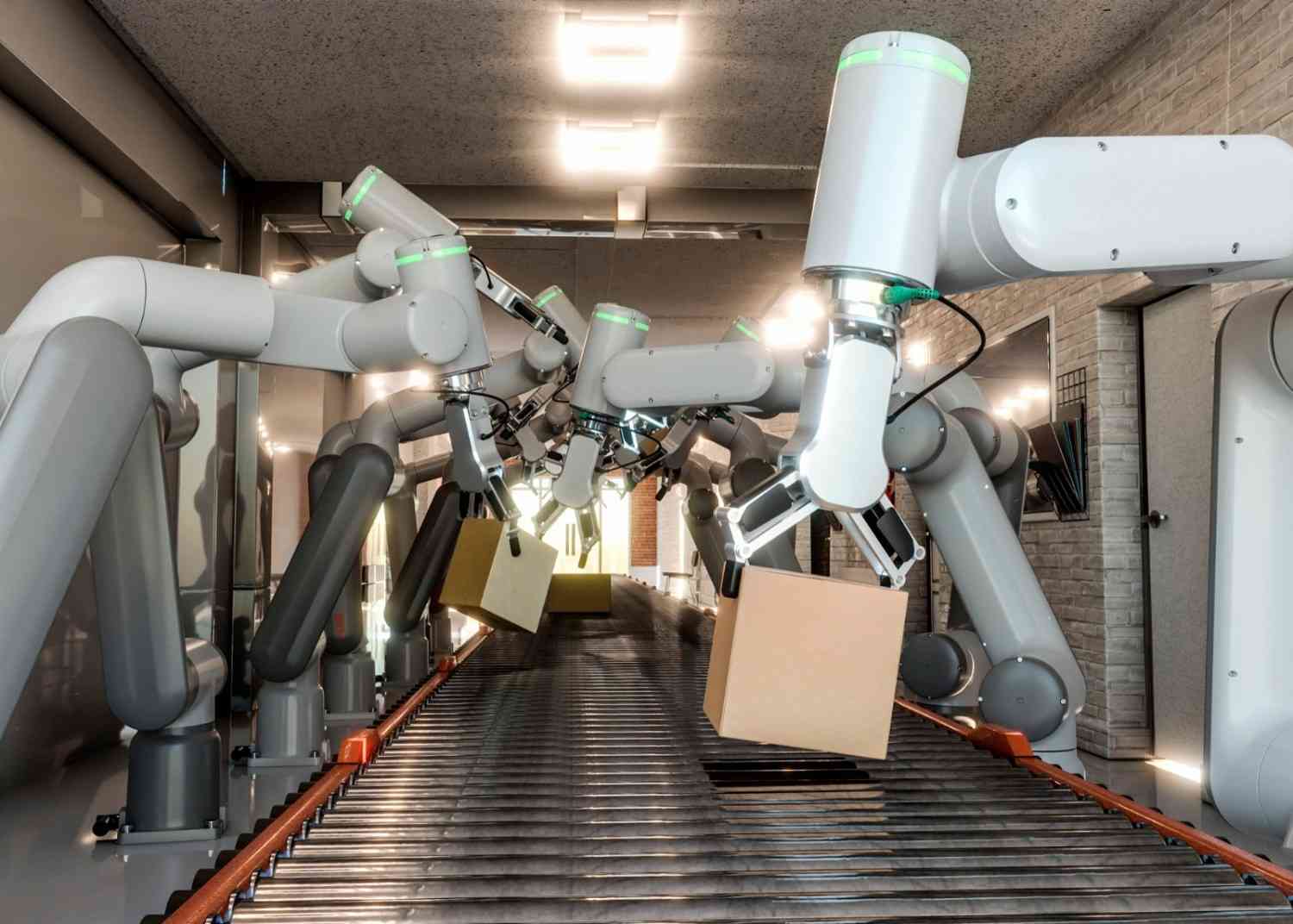
Despite the role of automated and autonomous robots in critical processes in most industries, the differences between the two are based on the fact that they cannot perform their functions. Autonomous robots adapt and learn with the environment, and in the application of AI, they are automated, but with fixed programming. This disparity influences their use and application, and the level of human control that is required.
1. Human Involvement
Automated and autonomous robots are quite different in terms of human participation. Automated robots usually need to be programmed, monitored, and maintained by a human operator. The autonomous robots, on the other hand, are to operate independently, and do not necessarily require a human operator everywhere. One such study, as an example, found that a drone autopilot was able to fulfill distribution tasks with little human intervention, which enhanced productivity and reduced work costs. However, the problem of human control is important to safety and managing unexpected challenges, particularly in complex environments.
2. Adaptability
Flexibility, along with the ability to learn, is another characteristic that makes a distinction between the two types of robots, namely, automated and autonomous. It is noted that human-labor-replaced robots are capable of performing better in the repetition of operations, yet they still need to be re-programmed in order to be able to deal with new conditions. On the contrary, AI and machine learning are being utilized by a combination of autonomous robots to remember their learning from the previous interaction and to modify their behavior accordingly. For example, in the situation of a driverless car, the vehicle is capable of responding to atypical road conditions based on the data that the car is receiving in real-time. Not only are these technological developments enabling the robots to perform more diverse and complex tasks, but they are also allowing them to traverse in non-static environments, thus presenting a wide range of new applications for them.
3. Functionality
The autonomous and automated robots are different and are used differently based on their design and purpose. The automated robots are usually programmed to perform some duties, such as assembly line work, where they would be able to perform repetitive tasks that would be very precise. On the contrary, autonomous robots are operational, i.e., they are capable of performing different functions as per the programming, and also the environmental inputs. Indicatively, autonomous robots in agriculture may be used to plant, contain, and gather crops, and this illustrates their ability to be capable of multi-tasking within a single system.
4. Technology
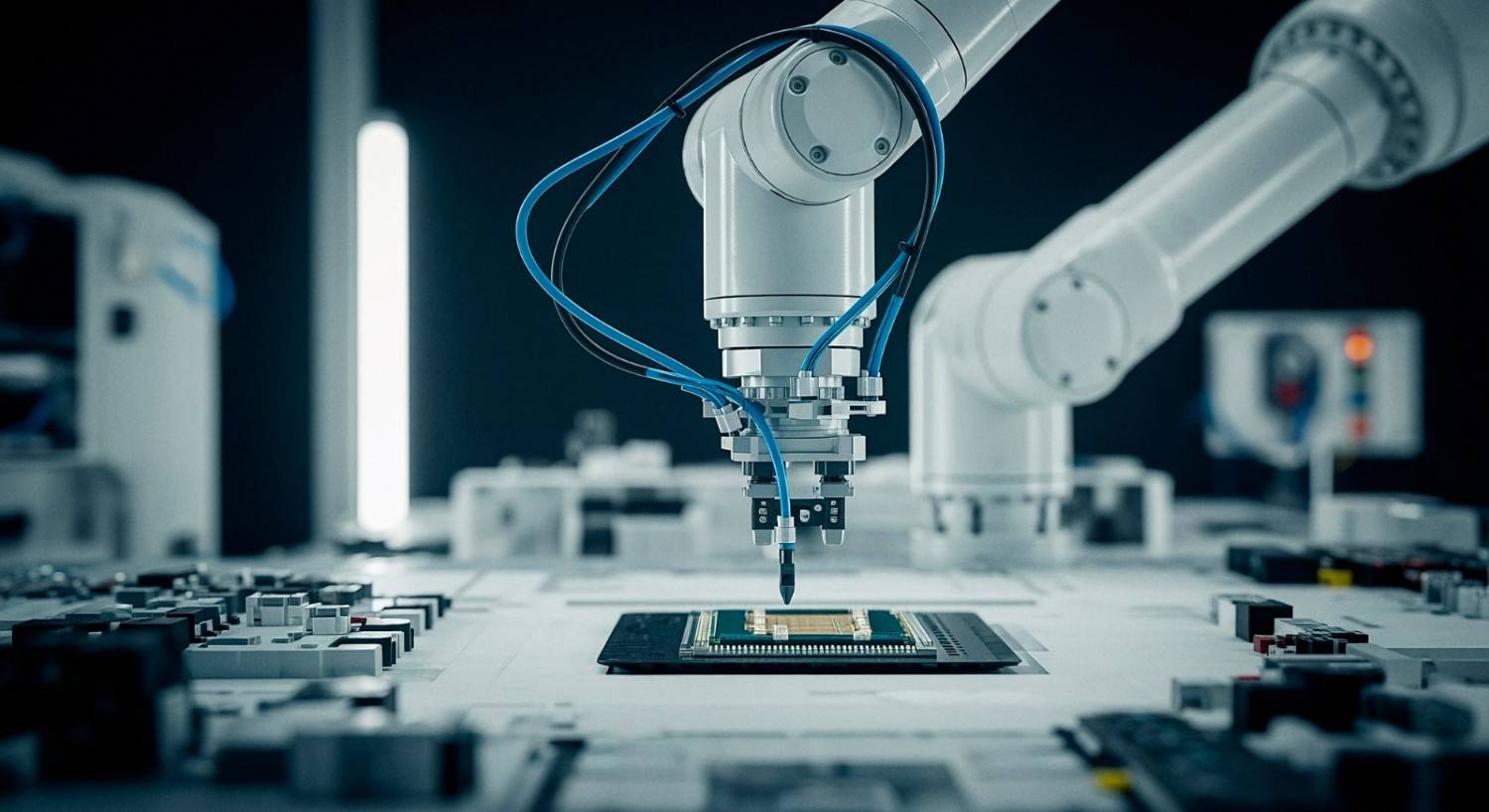
The technology of the automated and autonomous robots is also different. The fixed programming and simple sensors are the foundation of automated robots, which perform tasks, and the autonomous robots are those that apply such new technologies as AI, machine learning, and advanced sensors. Autonomous robots are able to take into account large amounts of information, trends, and make informed decisions in real-time with the aid of these technologies. As a result, autonomous robots will have the capacity to navigate through complex environments and perform tasks requiring a more advanced cognitive action, which separates them from other automated models.
5. Safety
One factor to bear in mind as concerns the deployment of robots of an automated nature and from the autonomous part is safety. Although automated robots are efficient in their work, they are perilous when they work in an imperfectly controlled environment because, in such cases, they operate within predictable environments. Conversely, the functions of autonomous robots must take place within dynamic and quite unpredictable conditions, which demand safety measures. As one example, autonomous cars consist of a combination of sensors and fail-safes to prevent accidents and ensure that they function safely. The safety standards and regulations will be vital in the realization of both forms of robots in the real world because the technology is still being developed.
Conclusion
In conclusion, autonomous and automated robots are used in the robotics world, but their applications differ. Automated robots are highly significant in repetitive labor with minimal human participation, and autonomous robots learn and operate independently with the use of AI. Their disparity in terms of human engagement, flexibility, functionality, technology, and safety needs to be comprehended to have their potential exploited in various sectors. Once robotics technology is up and running, the future of automation and innovation will be outlined by the incorporation of the two types of robots.